Cold, wind, sun
Head cover chosen by the weather, not by the shelf
Every piece in the Tough Headwear range is filed by the condition it was built for and the job it was named for. Pick the condition first and the shape second: that is the order the choice actually happens in.
- Deep coldFleece or thermal build, for freezing air and wind 6 pieces · from $6.99
- ColdWarm layer without the bulk, for frost and early mornings 16 pieces · from $5.99
- All seasonThin and breathable, worn from spring to autumn 28 pieces · from $3.95
- SunMade against the sun rather than the cold 10 pieces · from $4.99
Tough Headwear for the coldest air
Fleece and thermal builds, the pieces the maker names for freezing rides, ski runs and sub-zero mornings. 6 of them carry a price today.
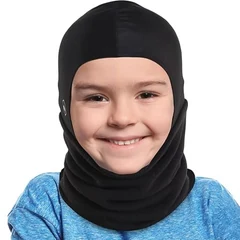
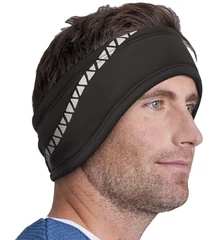
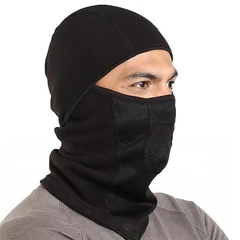
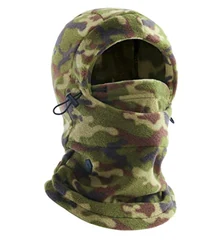
Filed by the job Tough Headwear names for it
The maker names a job in almost every bullet: under a helmet, on a run, on the snow, in the gym. These are those words, counted across the 60 pieces here.
- Under a helmet17 of the 26 say breathable panel. 26 pieces · from $4.99
- Running14 of the 26 say moisture wicking. 26 pieces · from $4.24
- Snow and ski19 of the 31 say breathable panel. 31 pieces · from $4.99
- Gym and training10 of the 16 say moisture wicking. 16 pieces · from $4.24
- Work outdoors3 of the 5 say breathable panel. 5 pieces · from $6.99
- Trail and water15 of the 23 say breathable panel. 23 pieces · from $3.95
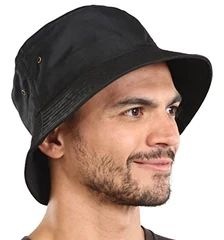
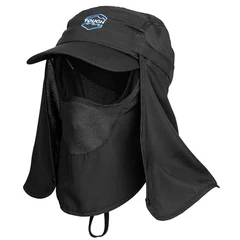
When the problem is the sun, not the cold
Brims, flaps and UPF fabric. 10 Tough Headwear pieces built against light rather than cold, and the maker states the rating on each.
Two questions that decide most of it
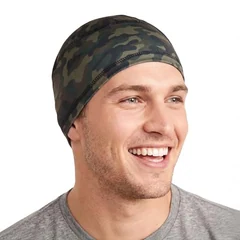
Does it fit under a helmet?
A skull cap under a helmet has to be thin at the crown and flat at the seams, or the shell sits high and rocks. 14 pieces here are named for that job by the maker, and the product page repeats the wording rather than paraphrasing it.
Pieces named for helmets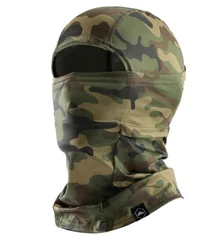
Full face or half?
A full balaclava covers the chin and neck and fogs glasses if the breathing panel is wrong. A half mask leaves the crown to a hat and gives the mouth more air. We hold 10 pieces in this shape family, and the name of each says which one it is.
Balaclavas and ski masksRead first
Three pieces to read before the first cold morning
The brand
About Tough Headwear
Tough Headwear started in 2013 with one complaint and one piece: a skull cap that rode up under a bike helmet on every ride. The first run was cut flatter at the seam and longer at the nape, and it stayed put. Everything since has come from someone saying a piece did not do the one thing they needed it to do.
Balaclavas10 pieces · from $6.99
Beanies21 pieces · from $4.99
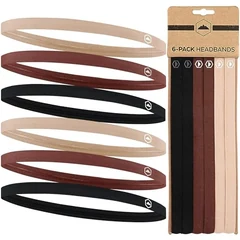 Headbands13 pieces · from $3.95
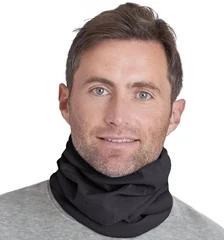 Neck gaiters6 pieces · from $5.99
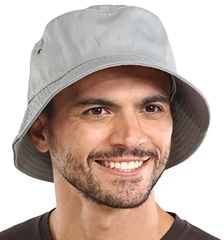 Sun hats9 pieces · from $6.99
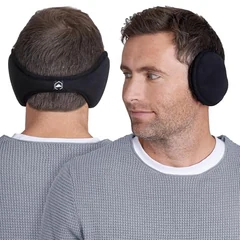 Ear warmers1 pieces · from $7.99
Today the range runs to 60 pieces in 6 shape families, from full balaclavas to elastic headbands, and the maker names a condition for nearly all of them. That sounds like a lot of variety for covering a head. It is not: a run in November, a shift under a hard hat and a day on the water ask for three different fabrics, and one piece cannot be all three.
The people behind Tough Headwear work in fleece, thermal knits and thin four-way stretch. 17 pieces are fleece lined, 9 are built as thermal, and 19 state four-way stretch. We repeat those words because they are the maker's own, and we do not add a warmth rating that nobody measured.
| Wording on the product page | Pieces | From |
|---|---|---|
| Fleece lined | 17 | $5.99 |
| Thermal build | 9 | $6.29 |
| Moisture wicking | 25 | $3.95 |
| Breathable panel | 36 | $4.99 |
| Wind resistant | 10 | $6.29 |
| UPF sun protection | 12 | $4.99 |
| Fits under a helmet | 14 | $4.99 |
| Four-way stretch | 19 | $4.99 |
Fit is the part people get wrong most often, and it is the part we can help with before the order. A cap that fits the crown and gapes at the ears will lift on the first gust. A gaiter that sits loose at the collar will pull cold air down the neck every time you turn your head. The guides on this site go through both, with the numbers we do have.
The Tough Headwear approach to claims is narrow. Wind resistant is not windproof, water resistant is not waterproof, and a UPF number describes fabric, not a whole day in the sun. Where the maker stops short of a claim, so do we, and the product page says where that line falls.
What our workshop notes can tell you is practical and small. Which piece sits flat under a shell. Which one keeps glasses clear. Which fabric dries between two shifts. Which shape a child will actually keep on. That is the part we control, and every page here starts from it.
Prices on this site come from our own update runs, and the footer of every page links to the day of the last one. A piece with no price comes off the site until the price returns. We would rather show a shorter range than a shelf of dead links.